
© 2026. Randolph Hub. All Rights Reserved.
Welcome!
Gminski ‘fell into the habit of self-medicating’
ASHEBORO — Two differing stories, same results.
The inaugural Evening of Hope presented by Keaton’s Place featured an All-American and NBA basketball star as well as a former homeless person who had spent time in the slammer.
The Evening of Hope was a fundraiser for Keaton’s Place held Sept. 24 at Central Methodist Church, which provided a meal for participants. The program included stories of recovery from substance abuse by Duke basketball legend Mike Gminski and Jason Bowman, who received help from Keaton’s Place.
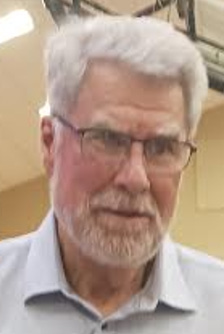
The 6-foot-11 Gminski traced is drinking to high school when he earned All-State honors in Connecticut. “I found out I really liked to drink beer,” he said, adding that his family had a history of alcoholism but he never saw the ill effects.
Even with his drinking, Gminski said he was “accomplishing more than I thought I would.” In fact, at Duke he added Academic All-American to his resume.
After his NBA career, Gminski went into broadcasting basketball games, which gave him plenty of free time, much of it spent drinking. But “life was good and our son was born.” Then, when he faced trauma in his life, he said he “fell into the habit of self-medicating. My family didn’t talk about problems.”
In 2000, his wife lost most of the money he had earned in the NBA and their squabbles led them to lead separate lives. “I took drinking up a notch,” and he and his wife divorced in 2013.
Then he met another woman and they decided to marry. But before they wed, she had internal hemorrhaging and died. “I went to a higher level of self-medicating,” Gminski said.
One of his Duke teammates, Kenny Dennard, organized efforts to get Gminski into rehab. But “I went ballistic. I was not ready to hear that. I said, ‘I know I have a problem. I can fix it.’ Then I went straight to an ABC store.”
Gminski said he went “off the grid for three years” even while broadcasting. When not working, he kept to himself and avoided contact with friends. Then COVID-19 hit and he was “isolated in place with my son Noah. The only thing I would do all day was drink.”
When Noah found liquor bottles in the woods where his father had thrown them, he gathered them up and placed them on a table with a note: “Dad, I love you and I want to help you.”
That finally brought Gminski to shame and “tearful conversations.” He agreed with Kennard to go to rehab in Florida. He said he “made 40 phone calls to people I had shut out.”
He spent two months at the Florida recovery center and another two months as an outpatient in Charlotte. Gminski said that while in Florida his “faith began to grow. Sermons were killing me in my soul. That’s where I got my strength from.”
With help from Tony Bennett, a former NBA teammate and former Virginia head coach, Gminski said he was “taught the little things of service. That’s how I try to live my life now.”
As for the service of Keaton’s Place, Gminski said, “What you’re supporting is so very important. There’s a need and it’s being met here in Asheboro.”
Jason Bowman said he has been homeless, in jail and in prison as a result of his addiction.
“I had very little hope,” he said. “Addiction takes your life a piece at a time.”
When he finally went through rehab, Bowman said, “I came out of treatment with nowhere to go,” with no job, no home and no help.
But a probation officer who saw Bowman’s needs got him in contact with Keaton’s Place. “Hope … started to return,” he said.
At Keaton’s Place, Bowman received help getting things done, including acquiring a job.
“Today I have my own apartment and transportation,” he said. “I’m sharing my story. To give back to the community, that’s helped me so much. I love the life I have today.”